
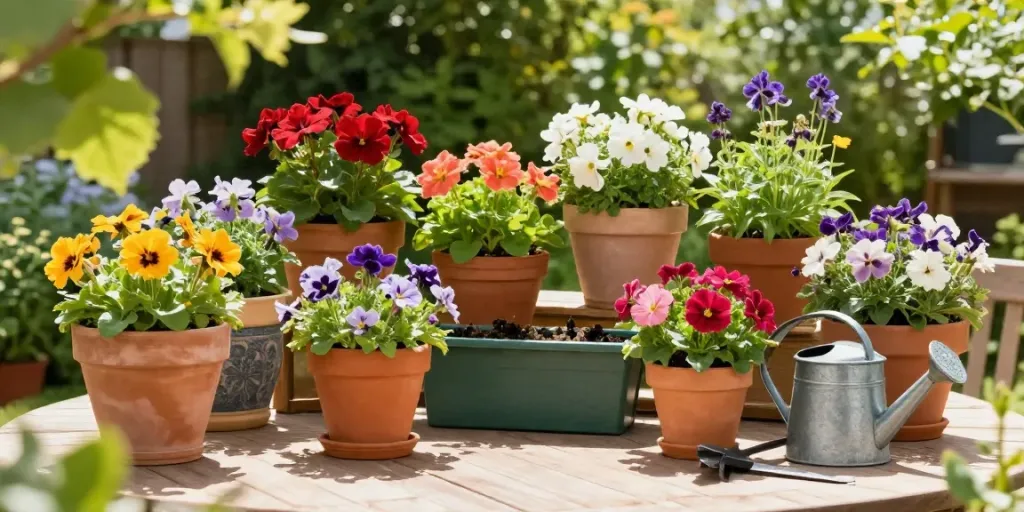
Understanding Garden Planters: Types and Materials
Garden planters are not just functional containers for your plants; they are essential elements that bring character to your garden or patio. Selecting the right planter can significantly influence the aesthetic appeal and health of your plants. With a plethora of options available in different materials, sizes, and styles, understanding the various types of garden planters is crucial. When exploring options, buy garden planters that align with your gardening needs and style preferences can elevate your outdoor space.
What Types of Garden Planters Should You Consider?
There are several types of garden planters available, each with unique benefits:
- Traditional Terracotta Pots: Known for their classic look and excellent breathability, terracotta pots are great for plants that prefer drier roots.
- Ceramic Planters: These come in a range of colors and designs, perfect for adding a splash of color. They are often glazed, which helps retain moisture.
- Wooden Planters: Ideal for a rustic aesthetic, wooden planters can blend seamlessly into gardens but may require treatment to prevent rot.
- Metal Planters: Stainless steel or galvanized pots are durable and lend a contemporary touch. However, they can heat up quickly in direct sunlight.
- Plastic Planters: Lightweight and often less expensive, plastic planters come in various designs and colors, making them versatile for any garden.
Common Materials Used in Garden Planters
The material of your planter can greatly affect your plants' growth and health. Here’s a breakdown of some common materials:
- Terracotta: Porous and allows for good airflow, but can dry out quickly.
- Ceramic: Heavy and mostly non-porous due to glazing, which helps to retain moisture.
- Wood: Aesthetic and natural, but requires maintenance to avoid decay. Cedar is a popular choice due to its durability.
- Metal: Durable and modern but often not insulated, leading to temperature fluctuations for plant roots.
- Plastic: Inexpensive and lightweight, though often less sustainable than other materials.
Choosing the Right Planter for Your Plants
When selecting a planter, consider the specific needs of your plants. Factors such as size, drainage, and the type of material can determine whether your plants thrive:
- Ensure the planter is large enough for the roots to grow.
- Look for drainage holes to prevent overwatering.
- Choose materials that suit your climate—ceramic for humid climates, and terracotta for drier conditions.
The Benefits of Buying Quality Garden Planters
Investing in high-quality garden planters can yield numerous advantages that enhance both your gardening experience and your plants’ health.
Enhancing Your Garden’s Aesthetic Appeal
Quality planters can enhance the visual appeal of your outdoor space. Well-designed planters complement your garden's layout and can be used to create focal points, leading visitors through your garden with visual intrigue.
Improving Plant Health and Growth
The right planter contributes significantly to your plants' growth. Quality materials and construction allow for better drainage and airflow, which are critical for root health. Planters with proper insulation help protect roots from extreme temperatures.
Investing in Durable and Long-lasting Solutions
Premium garden planters tend to last longer, saving you money in the long run. Investing in durable materials like rot-resistant wood or high-quality ceramic ensures that you won’t need to replace them frequently, providing a stable environment for your plants.
Top Features to Look for When You Buy Garden Planters
When searching for the perfect garden planter, focus on these essential features:
Size and Depth for Optimal Growth
Planters should accommodate the root system of your plants. A deeper planter may be beneficial for larger plants or those with extensive root systems, while smaller planters are sufficient for herbs and annual flowers.
Drainage and Airflow Considerations
Good drainage is crucial for preventing root rot. Ensure your planters have adequate drainage holes, and consider materials that promote airflow, such as terracotta or slotted wood.
Design and Style Matching Your Outdoor Space
Consider the overall design of your garden or patio when selecting planters. Choose styles that harmonize with your existing décor, be it sleek modern, rustic traditional, or a vibrant contemporary design.
The Best Retailers to Buy Garden Planters in 2026
When it's time to buy garden planters, knowing where to shop is essential. Here’s where you can find quality planters that suit your needs.
Online Options for Convenience and Variety
Online shopping offers unparalleled convenience, allowing you to browse various styles, sizes, and materials from the comfort of your home. Websites like Home Depot, Lowe's, and specialized garden retailers provide extensive selections, often with customer reviews to help inform your purchase.
Local Nurseries vs. Big-Box Stores
While big-box stores often offer competitive pricing, local nurseries can provide valuable expertise and localized advice. Supporting your community can also ensure you find unique and suitable plants that thrive in your region.
Comparing Prices and Quality Across Platforms
When investing in planters, it’s wise to compare prices across different retailers. Consider both the cost and quality of the materials to ensure you’re making a sound investment for your garden.
Future Trends in Garden Planters: What to Expect
The gardening industry is evolving, and several trends are shaping the future of garden planters:
Eco-Friendly and Sustainable Materials
As sustainability becomes more important to consumers, expect to see more planters made from recycled or sustainably sourced materials. This trend not only aids in reducing waste but also aligns with eco-conscious gardening practices.
Smart Planters and Technology Integration
With advancements in technology, smart planters that monitor soil moisture and nutrient levels are gaining popularity. These innovations can help gardeners optimize their plant care routines and ensure healthier growth.
Customizable and Modular Planters
Modular planters that allow you to mix and match components can provide flexibility for gardeners looking to design their unique outdoor spaces. This adaptability can cater to various plants and design aesthetics.
Comments
No comments yet.
Leave a comment