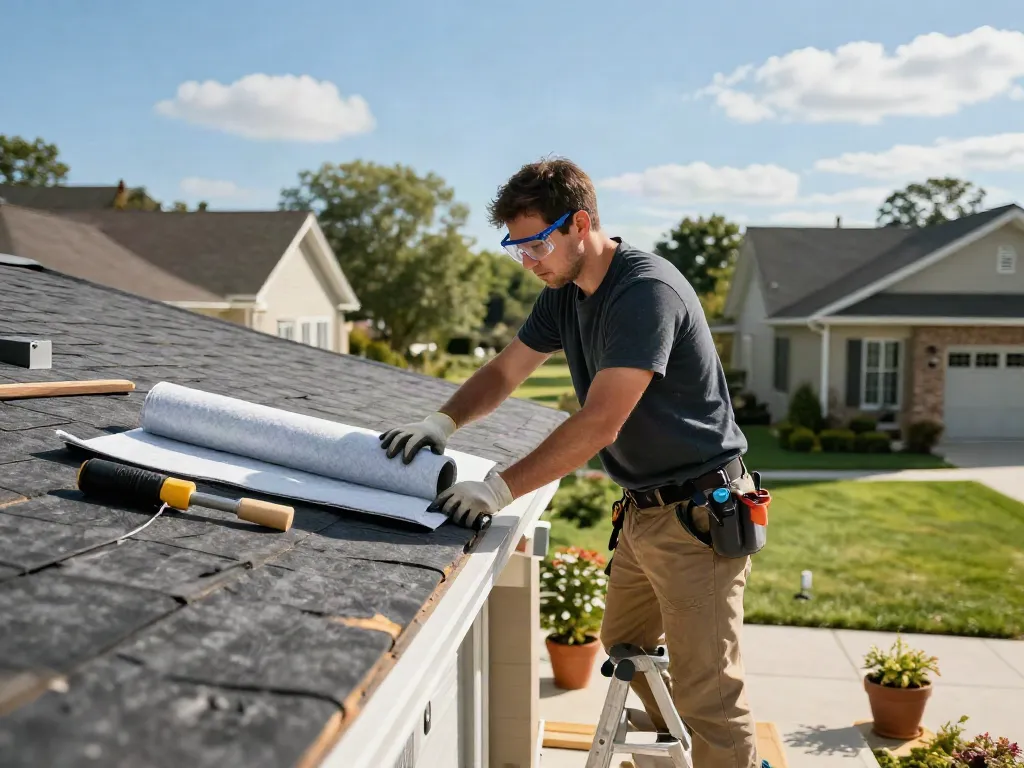
Understanding Felt Roofs: Essential Insights
Felt roofs are a popular choice for many residential properties, especially those with flat or low-pitched designs. They are known for their cost-effectiveness and durability when installed correctly. In this article, we will explore the fundamentals of felt roofing, including its benefits, common materials, and essential maintenance practices. Whether you are a homeowner looking to install a new roof or replace an existing one, understanding these principles will help you make informed decisions. Additionally, if you're searching for trusted specialists, felt roof experts are easily accessible to guide you through the process.
What is a Felt Roof and How Does it Work?
A felt roof typically consists of multiple layers of bitumen-based felt that are applied to a flat or low-pitched roof surface. This type of roofing system is designed to provide excellent waterproofing, protecting the underlying structure from rain and other environmental elements. The felt layers are installed in a manner that promotes drainage and minimizes water accumulation, which is crucial for preventing leaks and extending the roof’s lifespan.
Common Materials Used in Modern Felt Roofing Systems
Modern felt roofing systems primarily utilize two types of materials:
- Bitumen Felt: This is the most common material used, available in two variations: SBS (styrene-butadiene-styrene) and APP (atactic polypropylene). SBS provides flexibility and elasticity, making it ideal for cooler climates, while APP offers UV resistance.
- Reinforced Felt: Engineered with a fibreglass or polyester mat, reinforced felt enhances strength and durability, reducing the risk of tears and punctures.
Benefits of Choosing Felt Roofing for Residential Properties
Opting for a felt roof comes with numerous advantages:
- Cost-Effective: Felt roofing is typically more affordable than traditional materials, making it a smart choice for budget-conscious homeowners.
- Easy Installation: The application process is relatively straightforward, which can lead to lower labor costs and quicker completion times.
- Waterproofing: When applied correctly, felt roofs create a robust barrier against water intrusion that lasts for years.
- Energy Efficiency: With the right insulation, felt roofs can help reduce energy costs by regulating indoor temperatures.
Identifying Reliable Felt Roof Contractors
Finding the right contractor is crucial to ensure your felt roofing project is completed effectively and efficiently. Here are key factors to consider:
Key Qualifications to Look for in a Felt Roofer
When selecting a roofing contractor, ensure they possess the following qualifications:
- Licensing and Certifications: Verify that the roofer holds the necessary licenses to operate in your area, along with any relevant certifications from manufacturers.
- Experience: A contractor with extensive experience in felt roofing specifically will be more adept at handling potential challenges.
- Insurance Coverage: Check that the contractor carries liability and workers’ compensation insurance to protect yourself from any accidents that may occur during the project.
Checking for Insurance and Customer References
Insurance coverage is paramount; ask for proof of insurance from your contractor. Additionally, request customer references to gauge their past performance. Speaking with previous clients can give you insight into their reliability and work quality.
Importance of Local Knowledge and Expertise in Felt Roofing
Local roofers often have a better understanding of the specific challenges posed by your region’s climate and regulations. This insight can lead to a more tailored roofing solution that considers local weather patterns and building codes.
Common Mistakes in Selecting Roofing Services
Choosing a roofing contractor is a major decision that can result in significant long-term benefits or problems if not handled correctly. Here are common pitfalls to avoid:
Red Flags to Watch for in Contractors’ Quotes
When reviewing quotes from contractors, be cautious of:
- Unusually Low Prices: If a quote seems too good to be true, it is often an indication of subpar materials or workmanship.
- Vague Descriptions: A reliable quote should detail the scope of work, materials, costs, and timeline, reducing the chances of misunderstandings later.
Understanding the Risks of Underqualified Roofers
Hiring an inexperienced or unqualified contractor can lead to costly repairs and maintenance down the line. Poor installation may result in leaks, inadequate insulation, and shortened roof lifespan. It’s essential to verify qualifications and seek experienced professionals.
Why Comparing Multiple Quotes is Vital
Obtaining several quotes allows homeowners to understand the market and evaluate different approaches to the same issue. This practice not only helps in identifying a fair price but also enables you to assess various roofing solutions and strategies, providing you with the best value.
Trends and Innovations in Felt Roofing
The felt roofing industry continues to evolve, introducing innovative materials and practices that enhance performance and sustainability. Here’s what’s trending:
Latest Advancements in Felt Roofing Technology
Modern felt systems now incorporate advanced technologies such as self-adhesive options that eliminate the need for heating during installation. This innovation not only speeds up the process but also enhances safety and ease of application.
The Role of Sustainability in Modern Roofing Solutions
With increasing awareness of environmental issues, many manufacturers are producing eco-friendly felt roofing materials. These products often incorporate recycled materials and are designed to improve energy efficiency, making them a better choice for environmentally conscious consumers.
Forecasting the Future of Felt Roofing in 2026
As technology progresses, we can expect felt roofing to become more resilient and sustainable. Advancements in material science will likely lead to products that provide even better insulation and weather resistance, catering to the growing demand for energy-efficient building solutions.
Maintenance and Care for Your Felt Roof
Maintaining your felt roof is essential to prolong its lifespan and ensure optimal performance. Here are best practices to follow:
Best Practices for Extending the Lifespan of Felt Roofs
Routine inspections and maintenance are crucial in identifying potential issues before they escalate. Here are several maintenance tips:
- Regular Inspections: Check the roof for damage, particularly after severe weather conditions.
- Cleaning Gutters: Keep gutters and drainage areas free of debris to prevent water from pooling on the roof.
- Prompt Repairs: Address any issues immediately to avoid further damage.
Signs Indicating It's Time for a Roof Inspection
Be alert for signs of damage, such as leaks, sagging areas, or extensive wear on the felt material. These indicators suggest it may be time to have a professional inspection to evaluate the condition of your roof.
DIY Tips for Minor Felt Roof Repairs
If you notice small issues like minor tears or cracks, you can undertake simple fixes. Use a suitable waterproof sealant or patch kit designed for felt roofs to address these problems. However, always consult a professional for extensive repairs.
What are the Common Misconceptions About Felt Roofs?
One prevalent misconception is that felt roofs are prone to leaks and damage. While they can fail if not installed or maintained correctly, modern felt roofing systems provide robust protection when properly cared for.
Is Roofing Felt 100% Waterproof?
While felt roofing is highly waterproof, no material can be considered completely impervious to water. Proper installation, including attention to seams and overlaps, is critical in achieving effective waterproofing.
What do Roofers Use Instead of Felt?
Alternatives to felt roofing include EPDM (ethylene propylene diene monomer) rubber roofing and TPO (thermoplastic polyolefin) membranes. Each material has its own benefits and drawbacks, making the choice dependent on your specific needs and climate conditions.
How to Properly Maintain Your Felt Roof?
Proper maintenance involves regular inspections, prompt repair of any damage, and the cleaning of roof surfaces and drainage systems to prevent issues from arising.
What is the Average Cost of a Felt Roof Installation?
The cost of installing a felt roof can vary significantly based on several factors, including the size of the roof, type of felt material used, and labor costs. On average, homeowners might expect to pay between £50 to £70 per square meter, including materials and labor.
How to Choose the Right Materials for Your Felt Roof?
Choosing the right materials requires careful consideration of your roof's specific needs, climate factors, and budget. Seek advice from experienced professionals who can guide you in selecting the most suitable products based on these requirements.