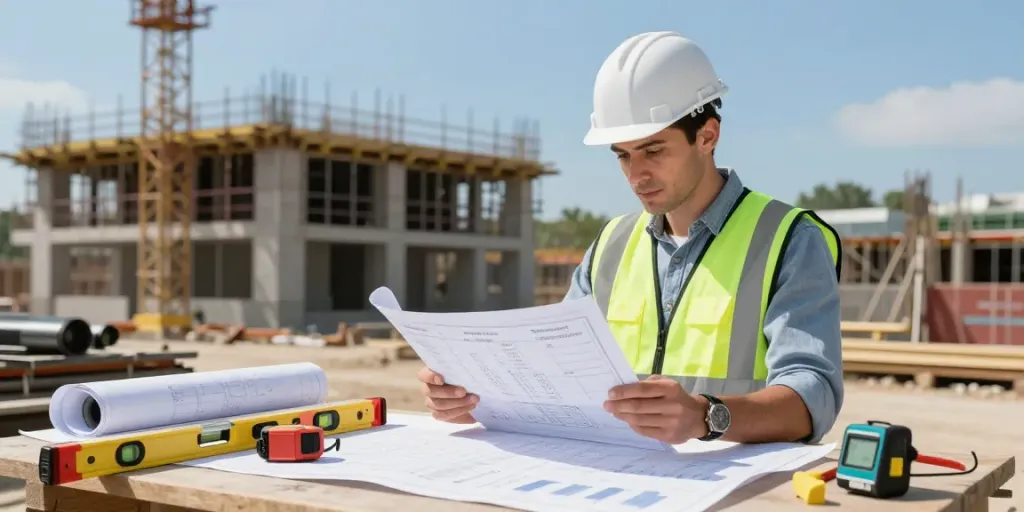
Understanding Construction Estimating Services
Construction estimating services play a crucial role in the architecture, engineering, and construction (AEC) industry, providing the foundational analyses necessary for successful project management. These services encompass a range of activities, including cost estimation, resource allocation, and risk management—all vital for ensuring that construction projects remain within budget and schedules. In today's competitive market, effective estimating is essential for contractors, developers, and project owners to make informed decisions, optimize resources, and ultimately achieve profitability. When exploring options, construction estimating services can provide comprehensive insights that significantly enhance project outcomes.
What Are Construction Estimating Services?
Construction estimating services involve the process of calculating the expected costs associated with a construction project. These calculations typically include labor, materials, equipment, and any overheads that may arise during the project lifecycle. Estimators use various techniques and tools to produce reliable and accurate estimates that serve as a roadmap for project execution.
The Importance of Accurate Cost Estimation
Accurate cost estimation is paramount in the construction industry. It not only helps in budgeting and financial planning but also mitigates the risks associated with unexpected costs. A well-prepared estimate provides a detailed breakdown of expected expenses, which aids in securing finance and attracting investors. Moreover, it serves as a benchmark throughout the project, allowing for better tracking of actual costs against estimates.
Key Components of a Construction Estimate
- Materials Costs: Includes the purchase cost of all construction materials required for the project.
- Labor Costs: Encompasses the wages for all personnel involved, from management to skilled laborers.
- Equipment Costs: Accounts for any machinery and tools needed, whether owned or rented.
- Overhead Costs: Covers administrative expenses and other indirect costs associated with project management.
- Contingency Funds: Allocates funds for unexpected issues that may arise during construction.
Benefits of Hiring Professional Quantity Surveyors
Engaging professional quantity surveyors can offer numerous advantages, particularly for complex projects where financial control is essential. Their expertise ensures that all financial aspects of a project are thoroughly managed, leading to better decisions and outcomes.
Expertise in Cost Control and Management
Professional quantity surveyors possess extensive knowledge of the construction industry, including current market trends and pricing structures. This expertise allows them to provide accurate predictions of costs and manage budgets effectively, ensuring that projects stay on track financially.
Identifying Cost Savings and Risks
One of the primary roles of a quantity surveyor is to identify potential cost savings throughout the construction process. They analyse project plans and specifications meticulously to pinpoint areas where efficiencies can be gained, whether through materials, labor, or methods of construction. Additionally, they assess risks associated with price fluctuations and various external factors, allowing project stakeholders to mitigate these risks proactively.
Enhancing Project Efficiency and Profitability
By collaborating closely with project managers and other stakeholders, quantity surveyors help streamline processes, reducing delays that can lead to increased costs. Their involvement from the project's inception to its completion ensures that all financial aspects are aligned with the overarching project goals, ultimately enhancing both efficiency and profitability.
Challenges in Construction Estimating
The construction estimating landscape is fraught with challenges, many of which can lead to discrepancies between estimated and actual costs. Understanding these challenges is vital for improving estimating accuracy and project execution.
Common Misconceptions About Estimating
Many clients believe that cost estimates are final figures, rather than educated guesses based on available data. This misconception can lead to disappointment if project costs exceed estimates. It’s essential for both estimators and clients to recognize that estimates can evolve as the project progresses and more information becomes available.
Addressing Client Expectations
Clear communication with clients is crucial in managing their expectations regarding project costs and timelines. Quantity surveyors must educate clients about the estimating process and the potential for changes throughout the project lifecycle. This transparency helps in building trust and ensuring smoother project execution.
Navigating Market Fluctuations
Market conditions can significantly affect project costs, especially in volatile economic environments. Fluctuations in material prices or labor shortages can impact the construction budget. Quantity surveyors must stay informed about market trends and adjust estimates accordingly to reflect these changes.
Best Practices for Effective Estimating
To enhance the accuracy and reliability of construction estimates, several best practices should be adopted. Implementing these practices can lead to improved project outcomes and increased client satisfaction.
Utilising Technology in Estimation
The integration of technology into the estimating process can yield considerable benefits. Software designed for cost estimation can streamline data analysis, improve the accuracy of calculations, and facilitate the creation of detailed cost breakdowns. Advanced tools, such as Building Information Modeling (BIM), offer visual representations of projects that aid in more accurate estimating.
Collaborative Estimation Techniques
Engaging various stakeholders in the estimation process can lead to more comprehensive and accurate results. Collaborative efforts among architects, engineers, and contractors ensure that all perspectives are considered in the estimating process, reducing the likelihood of missed costs and discrepancies.
Regular Review and Adjustment of Estimates
Construction projects are dynamic and can change at any moment. Regularly reviewing and adjusting estimates based on actual expenditure and project progress helps maintain control over the project’s financial aspects and allows for timely decisions to be made when necessary.
The Future of Construction Estimating Services
The construction industry is continually evolving, and so too are the methodologies and technologies associated with estimating services. Staying ahead of these trends is essential for quantity surveyors to maintain their competitive edge.
Emerging Trends in Estimating Technology
Technological advancements, such as artificial intelligence and machine learning, are making their way into construction estimating services. These technologies can automate routine tasks, analyse vast amounts of data, and enhance predictive analytics, leading to more accurate estimates and streamlined workflows.
Future Skills Needed for Quantity Surveyors
As the industry evolves, quantity surveyors will require new skills, particularly in data analysis, technology integration, and contract management. Continuous education and training will be necessary to ensure that they remain relevant and effective in their roles.
Impact of Sustainability on Estimation Practices
With a growing emphasis on sustainability in construction, quantity surveyors will need to incorporate sustainable practices into their estimating services. This includes assessing the environmental impact of materials and methods, as well as considering lifecycle costs and carbon footprints.
How much do construction estimates cost?
The cost of construction estimates can vary widely based on the project’s complexity, size, and the level of detail required. Basic estimates may start at a few hundred pounds, whereas comprehensive, detailed estimates for larger projects may cost significantly more.
Can AI assist in construction estimates?
Yes, AI can greatly enhance the accuracy and efficiency of construction estimates. By analysing historical data and current trends, AI can provide insights and predictions that help estimators make informed decisions.
What are different types of estimation methods?
Common types of estimation methods include:
- Unit Cost Estimation: Based on the cost per unit of material or labor.
- Historical Data Estimation: Utilizes past project data to predict future costs.
- Expert Judgment: Relies on the experience of seasoned professionals.
What do construction cost estimators typically do?
Construction cost estimators assess project plans, calculate material and labor costs, and prepare detailed estimates that guide project budgets and financing.
How can accurate estimating improve project outcomes?
Accurate estimating leads to better budgeting, efficient resource allocation, and minimal surprises during construction, ultimately resulting in successful project completion within the desired timeframe and budget.