Understanding Mechanical Pressure Switches
Mechanical pressure switches are core components essential for various industrial applications. They play a critical role in system control by enabling automated responses based on pressure levels. By understanding their functionality and advantages, industries can enhance their operational efficiency significantly. Whether you are involved in HVAC systems, hydraulic machinery, or compressor technologies, the need for reliable and accurate monitoring becomes paramount. When exploring options, pressure switch manufacturer insights provide comprehensive knowledge about what to consider for your specific needs.
What is a Mechanical Pressure Switch?
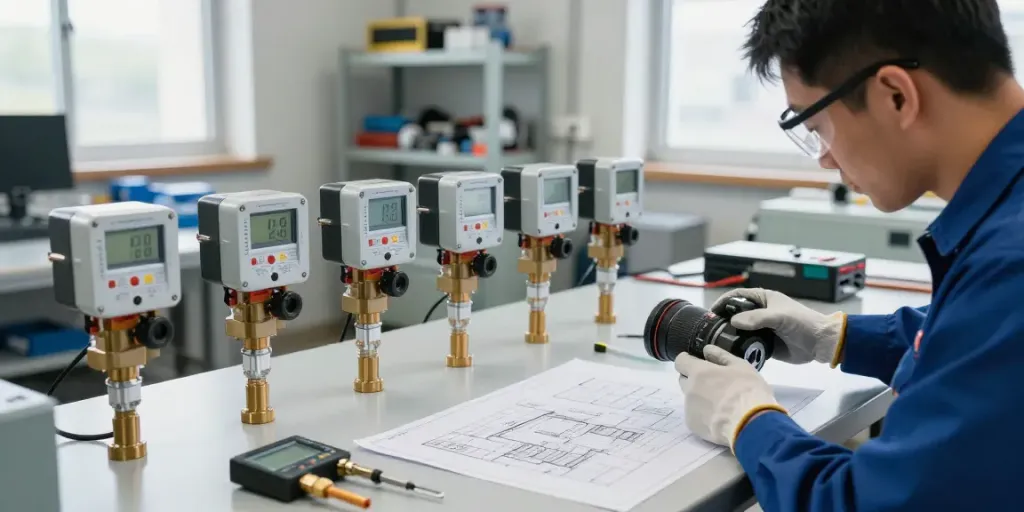
A mechanical pressure switch is a device that activates or deactivates a circuit based on a specific pressure threshold. These switches are typically built with internal mechanical components, such as diaphragms or pistons, which move in response to pressure changes. When the pressure reaches a pre-set level, the mechanical movement triggers an electrical switch, engaging or disengaging the connected equipment. This could involve turning on a pump, activating an alarm, or adjusting a control system, thereby facilitating seamless automation in various industrial processes.
How Mechanical Pressure Switches Work
The operation of mechanical pressure switches revolves around their ability to respond to pressure variations accurately. The internal mechanism is designed to convert mechanical pressure into electrical signals that control other devices. For example, in a typical pressure switch, a diaphragm moves in response to pressure changes; when the pressure exceeds the set point, it closes or opens an electrical circuit.
This simplicity in mechanical design allows for robust performance, often resulting in longer life spans compared to electronic alternatives. Moreover, some models feature adjustable set points, enabling users to tailor the operational parameters according to their specific application needs.
Key Applications in Industry
- HVAC Systems: In heating, ventilation, and air conditioning, mechanical pressure switches monitor system pressures to ensure effective operation. They help maintain optimal performance and energy efficiency.
- Hydraulic Systems: In hydraulic machinery, these switches prevent over-pressurization, protecting equipment from potential damage while ensuring that operations run smoothly.
- Compressors: Mechanical pressure switches are essential for regulating compressor activity, preventing performance issues related to incorrect pressure readings.
- Industrial Machinery: Automated manufacturing processes utilize pressure switches to control various equipment, enhancing workflow and ensuring safety.
Benefits of Choosing a Reliable Pressure Switch Manufacturer
Choosing a trusted pressure switch manufacturer is pivotal for ensuring high-quality mechanical pressure switches that meet the demands of your industrial applications. A reliable manufacturer will provide not only quality products but also ongoing support and service.
Durability and Construction Quality Considerations
Durability is a hallmark of high-quality mechanical pressure switches. Look for models constructed from robust materials like stainless steel, which enhances resistance to corrosion and wear. Quality construction also ensures that switches can endure harsh environmental conditions, which is particularly important in industrial settings where exposure to moisture, dust, and chemicals is prevalent.
Accuracy and Performance on the Job
Accuracy is crucial for pressure switches, as their primary function involves monitoring and responding to pressure levels reliably. High-performance switches are designed for precise set point accuracy, often featuring repeatable performance over millions of cycles. This reliability translates into fewer operational disruptions and increased safety.
Importance of Certification and Safety Ratings
Certification marks and safety ratings are critical indicators of a pressure switch's reliability. Manufacturers should provide products that meet industry standards, ensuring that the switches are safe for use in potentially hazardous environments. Look for certifications such as ATEX or IECEx for use in explosive atmospheres, which signify adherence to international safety standards.
Calibration and Maintenance of Mechanical Pressure Switches
Proper calibration and maintenance are essential to ensure the longevity and accuracy of mechanical pressure switches. Regular checks and adjustments can prevent potential failures and maintain optimal performance.
Easy Calibration Techniques for Efficiency
Many mechanical pressure switches incorporate user-friendly calibration features. Models often come equipped with external adjustment screws and clear visual scales, enabling quick field calibration without the need for specialized tools. This accessibility can significantly reduce downtime during routine maintenance.
Routine Maintenance for Long-lasting Performance
To sustain the efficacy of pressure switches, routine maintenance is critical. This includes checking for dust accumulation, inspecting seals for leaks, and verifying the accuracy of readings. Implementing a scheduled maintenance routine ensures any issues are detected early, preventing costly disruptions.
Common Issues and Troubleshooting Tips
Despite their robust design, mechanical pressure switches can experience issues. Common problems include incorrect set points, mechanical wear, or electrical failures. When troubleshooting, first check for any visible damage, ensure proper electrical connections, and confirm that the switch is calibrated correctly. Addressing minor issues promptly can prevent significant operational challenges.
Cost Factors When Selecting a Pressure Switch Manufacturer
Understanding the costs associated with mechanical pressure switches is fundamental for budgeting and planning. Various factors influence the overall expenses involved in selecting a manufacturer.
Material Costs and Construction Quality
The choice of materials directly affects the cost. High-quality materials, such as stainless steel or specialized alloys, may come at a premium but are essential for ensuring durability and resistance to harsh conditions. Investing in quality construction can save costs in the long run by reducing the frequency of replacements.
Installation and Setup Expenses
Installation costs can vary significantly depending on the complexity of the pressure switch system. Mechanical switches often feature simple, drop-in installation designs, which can minimize labor costs and reduce setup times. However, it's essential to factor in any additional equipment or modifications needed for integration.
Long-term Value: Total Cost of Ownership
When evaluating the cost of mechanical pressure switches, consider the total cost of ownership (TCO). This includes initial purchase costs, installation expenses, maintenance, and potential downtime. A switch that is slightly more expensive upfront may offer better performance and fewer maintenance needs, ultimately providing greater value over its life cycle.
Future Trends in Mechanical Pressure Switch Manufacturing
The landscape of mechanical pressure switches is evolving, with innovative designs and technologies shaping the future of manufacturing in this sector. Staying informed about these trends can give manufacturers a competitive edge.
Innovations in Design and Technology
Emerging technologies, including digital interfaces and IoT connectivity, are setting new standards in mechanical pressure switches. Manufacturers are beginning to incorporate smart features that enable remote monitoring and adjustments, enhancing operational efficiency and data analytics capabilities.
Environmental Considerations and Sustainability
As industries increasingly prioritize sustainability, manufacturers are focusing on environmentally friendly materials and production processes. This trend reflects a growing commitment to reducing carbon footprints while maintaining product quality and performance.
Market Predictions for 2026 and Beyond
With advancements in technology and increasing demand for automation across various sectors, the mechanical pressure switch market is projected to expand significantly by 2026. Continuous innovation and adaptation to changing industrial needs will be critical for manufacturers aiming to capture emerging opportunities.
What are the key features of a mechanical pressure switch?
Key features of mechanical pressure switches include robust construction, high accuracy with repeatable set points, straightforward calibration methods, and compatibility with various industrial applications. Additionally, many models feature fail-safe options for enhanced safety in hazardous environments.
How can I effectively calibrate a pressure switch?
Calibration can be effectively performed using the external adjustment mechanism found on most mechanical pressure switches. Users should follow the manufacturer's guidelines, ensuring they make adjustments gradually while monitoring pressure levels to achieve precise settings.
What industries primarily use pressure switches?
Pressure switches are utilized in a diverse range of industries, including HVAC, hydraulic systems, industrial automation, compressor technologies, and many more. Their versatility allows for widespread adoption in different applications requiring precise pressure regulation.
Are there any safety standards for pressure switches?
Yes, mechanical pressure switches are subject to various safety standards, including those set by organizations such as ATEX and IECEx for use in explosive atmospheres. Compliance with these standards ensures that pressure switches are manufactured to meet rigorous safety guidelines.
How do I choose the right pressure switch manufacturer?
Choosing the right pressure switch manufacturer involves evaluating their reputation, product quality, certifications, and customer support. It's essential to select a manufacturer that aligns with your operational needs and has a proven track record in delivering reliable and durable pressure switch solutions.