Understanding Utility Surveys and Their Importance in London
In the heart of London, where historical infrastructure meets modern development, understanding the complexities of underground utilities is crucial. Utility surveys play a vital role in ensuring that construction and renovation projects proceed smoothly and safely. These surveys provide essential data that help identify and map the intricate network of utilities buried beneath the surface. When exploring options, Utility Survey London offers comprehensive insights into the state of underground services, ensuring that projects can be executed with minimal disruption.
What is a Utility Survey?
A utility survey is a detailed examination and mapping of underground utility lines, including water, gas, electricity, telecommunications, and drainage systems. The primary goal of these surveys is to locate and identify existing utilities before any excavation or construction work begins. Various techniques are employed to execute utility surveys, with Ground Penetrating Radar (GPR) being a leading method due to its effectiveness in detecting subsurface features without the need for invasive digging.
Key Benefits of Conducting Utility Surveys
Conducting utility surveys has several significant benefits, including:
- Risk Mitigation: By identifying existing utilities, surveys help prevent accidental damage during construction, reducing risks to workers and the public.
- Cost Efficiency: Early identification of underground services can prevent costly delays and repairs, leading to more accurate project budgeting.
- Enhanced Safety: Knowledge of the utility layout contributes to safer work environments, especially in densely populated urban areas like London.
- Regulatory Compliance: Compliance with local laws and regulations related to construction and public safety is crucial, and utility surveys help in adhering to these standards.
Common Misconceptions About Utility Surveys
Despite their importance, utility surveys often suffer from misconceptions. Some believe that they are only necessary for large construction projects, but even small-scale works can benefit from such surveys. Another common myth is that all utilities can be easily located using existing maps, which is misleading, as many maps may be outdated or inaccurate. Furthermore, some think that utility surveys are too costly, whereas the potential savings from avoiding disruption can far outweigh the initial survey costs.
Essential Techniques for Effective Utility Surveying
Ground-Penetrating Radar: How It Works
Ground Penetrating Radar (GPR) is a non-invasive method that utilises radar pulses to image the subsurface. This technique is particularly effective in urban environments where utilities are densely packed. GPR systems send electromagnetic waves into the ground, which then reflect back when they encounter different materials. The data collected is used to create detailed images of underground structures, allowing surveyors to determine the location, depth, and type of utilities present.
Best Practices for Utility Mapping in Urban Areas
Urban areas present unique challenges for utility mapping. Best practices include:
- Comprehensive Planning: Before commencing a survey, thorough planning is crucial to identify the areas of interest and potential obstructions.
- Using Multiple Techniques: Combining GPR with other methods, such as electromagnetic locators and CCTV, can enhance accuracy and provide a complete picture of the underground landscape.
- Continuous Training: Surveyors should be well-trained in the latest technology and methods to adapt to the ever-evolving urban landscape.
Choosing the Right Equipment for Your Survey
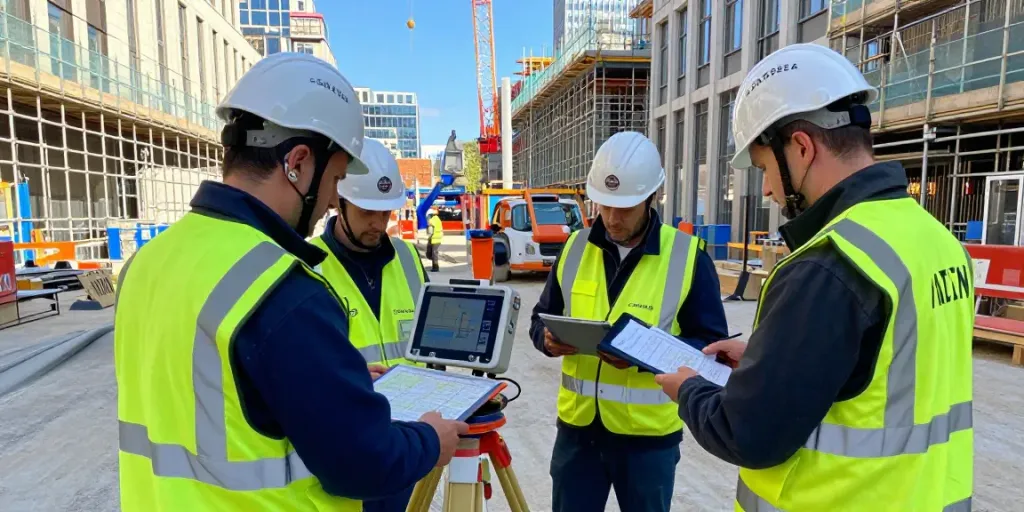
Selecting the appropriate tools and technologies for utility surveying is essential for obtaining accurate results. Different projects may require varying equipment based on the environment and utilities involved. A combination of ground-penetrating radar, electromagnetic locators, and GPS technology can be effective in gathering comprehensive data on underground utilities.
Challenges in Utility Surveying in London
Dealing with Complex Urban Landscapes
London’s urban landscape is marked by its historical significance and dense infrastructure, making utility surveying a complex endeavour. The layered history of the city often results in multiple utilities occupying the same space, which can complicate detection efforts. Navigating these challenges requires skilled professionals equipped with advanced technology to ensure accurate mapping.
Regulatory Compliance: What You Need to Know
Surveyors must stay informed about local regulations governing utility identification and construction. Compliance is vital to avoid penalties and ensure project timelines are not adversely affected. Understanding the requirements for utility surveys in London can provide clarity and guidance for all stakeholders involved in a project.
Reducing Survey Errors and Improving Accuracy
Accuracy is critical in utility surveying as errors can lead to significant repercussions, including project delays and safety hazards. Implementing rigorous quality control measures, using advanced technologies, and conducting thorough training for surveyors can greatly reduce the likelihood of mistakes. Consistently reviewing and updating survey methods is also essential to maintain high accuracy standards.
Real-World Applications and Case Studies
Successful Utility Surveys in Major London Projects
Several major infrastructure projects in London have benefited from effective utility surveys. For example, the Thames Tideway Tunnel project relied heavily on accurate utility mapping to avoid existing services, ensuring that the sewer improvements were completed on time without unnecessary disruptions.
Impact of Utility Surveys on Construction Timelines
Utility surveys can significantly influence construction timelines. When conducted accurately and timely, these surveys can allow contractors to streamline their workflows, reducing delays that may arise from unexpected utility encounters. Projects like Crossrail have demonstrated the benefits of pre-construction utility surveys, facilitating smoother construction processes.
Lessons Learned from Industry Experts
Industry experts emphasise that continuous improvement and adaptation to new technologies are crucial for success in utility surveying. Learning from previous projects where surveys were mismanaged highlights the importance of thorough planning, effective communication, and stakeholder engagement.
The Future of Utility Surveying in London by 2026
Emerging Technologies and Trends
As we look towards 2026, emerging technologies such as artificial intelligence and machine learning are set to revolutionise utility surveying. These technologies can help process survey data more efficiently, identify patterns, and enhance predictive analytics in utility management.
Sustainability Practices in Utility Surveying
With increasing emphasis on sustainability, utility surveying is evolving to incorporate environmentally conscious practices. This includes using eco-friendly materials for survey equipment and prioritising methods that minimise environmental impact, aligning with broader sustainability goals in urban planning.
Predictions for the Future of the Industry
As the demand for infrastructure development grows in London, the utility surveying industry is predicted to expand in both scale and sophistication. Increased integration of technology and innovation will likely lead to enhanced accuracy, efficiency, and stakeholder satisfaction. By 2026, utility surveys will become even more central to the planning and execution of urban development projects, paving the way for safer and more sustainable cities.
What are the costs associated with a Utility Survey in London?
The costs of utility surveys in London can vary significantly based on project size, complexity, and the methods used. Generally, a comprehensive utility survey may range from a few hundred to several thousand pounds. It's advisable to obtain multiple quotes and consider the long-term benefits of investing in high-quality surveying services.
Which companies offer the best Utility Survey services in London?
Several established companies in London are renowned for their utility survey services. When selecting a provider, consider their experience, technology used, and customer reviews to ensure you choose a reliable partner for your project.
How long does a typical Utility Survey take?
The duration of a utility survey can depend on various factors, such as the project's size and complexity. Small-scale surveys may take a few days, while larger projects could require several weeks. Effective planning and resource allocation can help streamline the process and ensure timely completion.
What technologies are reshaping Utility Surveying?
Innovative technologies, such as GPR, drone surveying, and 3D mapping, are reshaping the landscape of utility surveying. These advancements enhance the precision and efficiency of identifying and mapping underground utilities, making them invaluable tools for professionals in the field.
How to choose the right Utility Surveyor for your project?
Selecting the right utility surveyor is crucial for project success. Look for companies with proven experience, positive client testimonials, and a comprehensive understanding of local regulations. Ensuring they utilise the latest technology and methodologies will also contribute to the quality and reliability of the survey.